Written by
Lottie Murphy
How to Start Pilates at Home (Beginner Guide)
New to Pilates? Here's everything you need to start practising at home - no experience, no equipment, no pressure. A gentle beginner's guide from Lottie Murphy.
Pilates
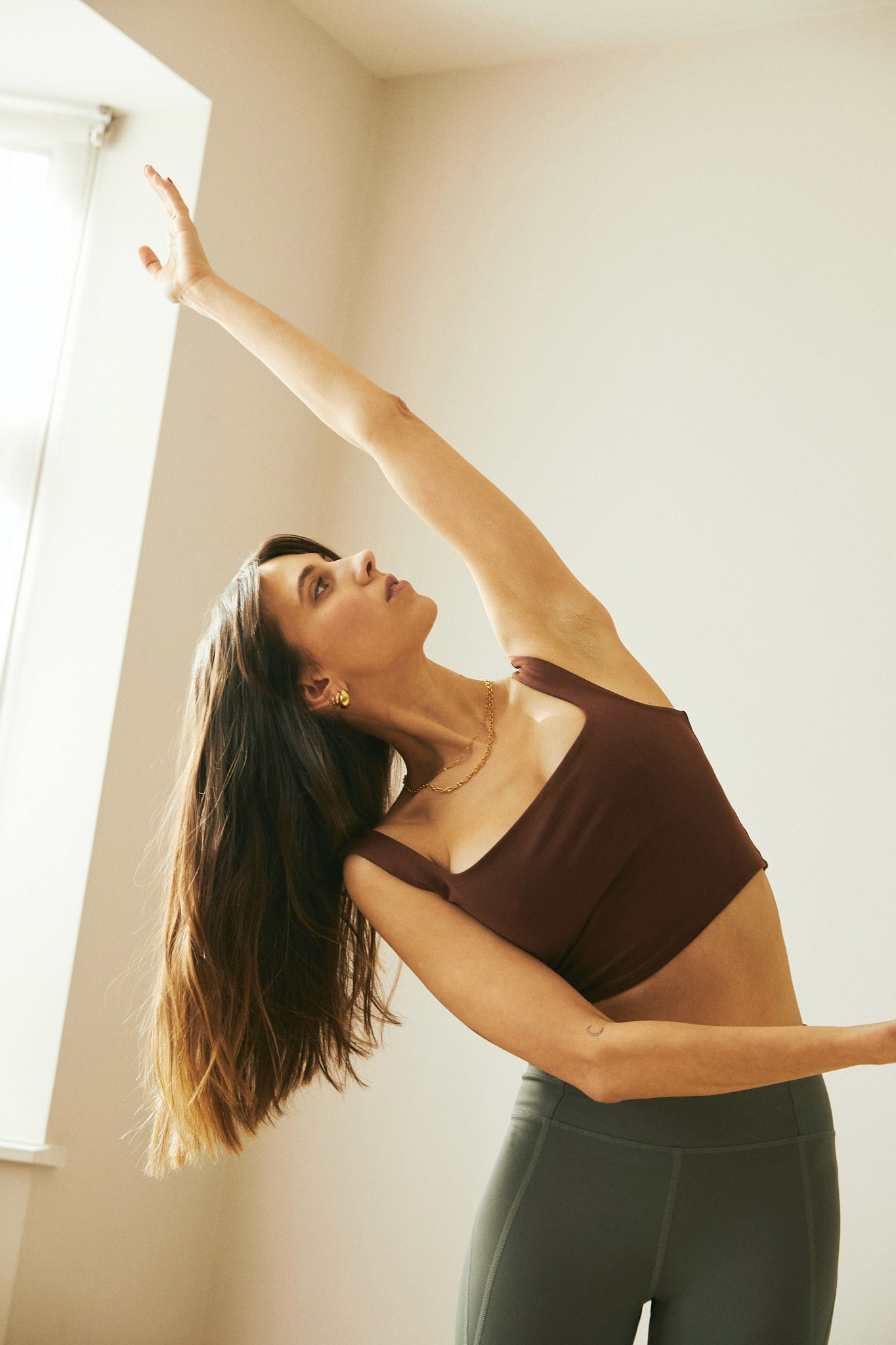
Maybe you've noticed Pilates is, quite frankly, everywhere at the moment. I don't think I even expected this boom as someone that has been an advocate for Pilates for almost 20 years.
Does it feel like everyone around you is doing it and you are quietly wondering if it's something you could do? Maybe someone recommended it to you, or you've been looking for something gentle that doesn't feel like punishment. Maybe you just don't know where to start but really want to start? Whatever brought you here, welcome.
I'm really glad you're here because Pilates is my thang! Pilates feels like what I was put on this planet to do and if even I sometimes feel overwhelmed by the world of Pilates then I don't blame you.
The internet is full of conflicting advice, intimidating reformer machines, and very bendy people doing things that look wildly out of reach. No wonder it feels overwhelming.
So here's what I want you to know before we go any further: you don't need to know anything to start. You don't need equipment, you don't need a studio membership, and you definitely don't need to be flexible. You just need a mat or a comfy patch of carpet and an openness to it.
Let's walk through this together, like besties…
What actually is Pilates?
Pilates is a movement method developed in the early 20th century by Joseph Pilates, who believed deeply in the connection between the mind and the body. What he created wasn't just a set of exercises, it was a whole philosophy about how we move, how we breathe, and how we care for ourselves.
It's evolved a lot since then and is becoming harder to define, I could write a whole essay on what Pilates is but remember this isn't meant to be overwhelming.
In a practical sense, Pilates focuses on building strength and stability as well mobility, co-ordination, balance, the list is endless. Most importantly, in my opinion, it encourages you to move with more awareness and control.
And it genuinely makes you feel good but that's for you to discover.
What I love most about it and what I've witnessed teaching Pilates for over a decade, is how quickly people start to feel different. Not just physically, but in how they carry themselves. There's a quiet confidence that comes from really understanding your body and trusting it.
What do you actually need to start Pilates at home?
Not much. Not snazzy equipment or activewear. Genuinely not tons of dollars (I'm British but dollars always sounds cooler to say haha). My YouTube channel is completely free FYI ;).
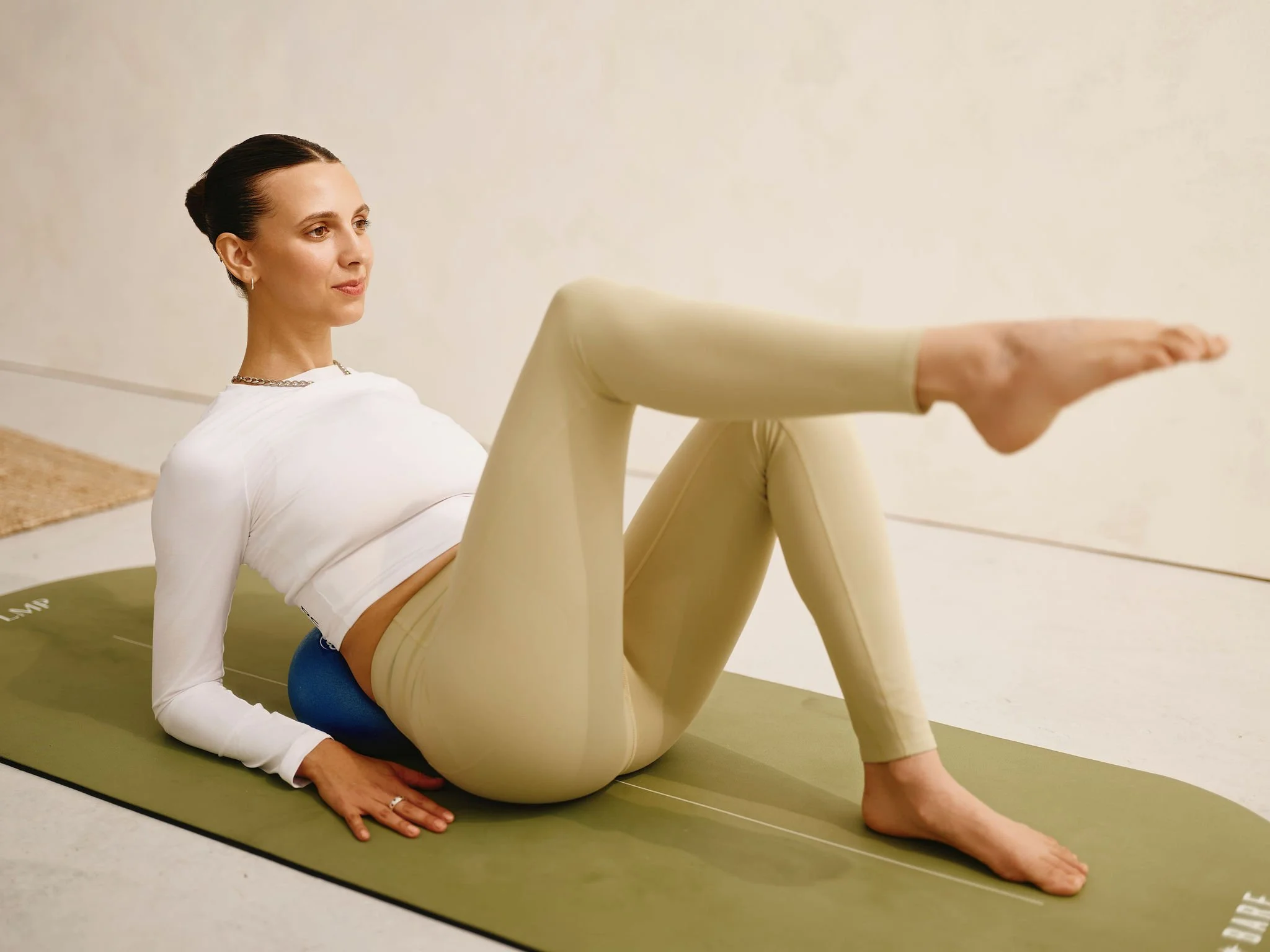
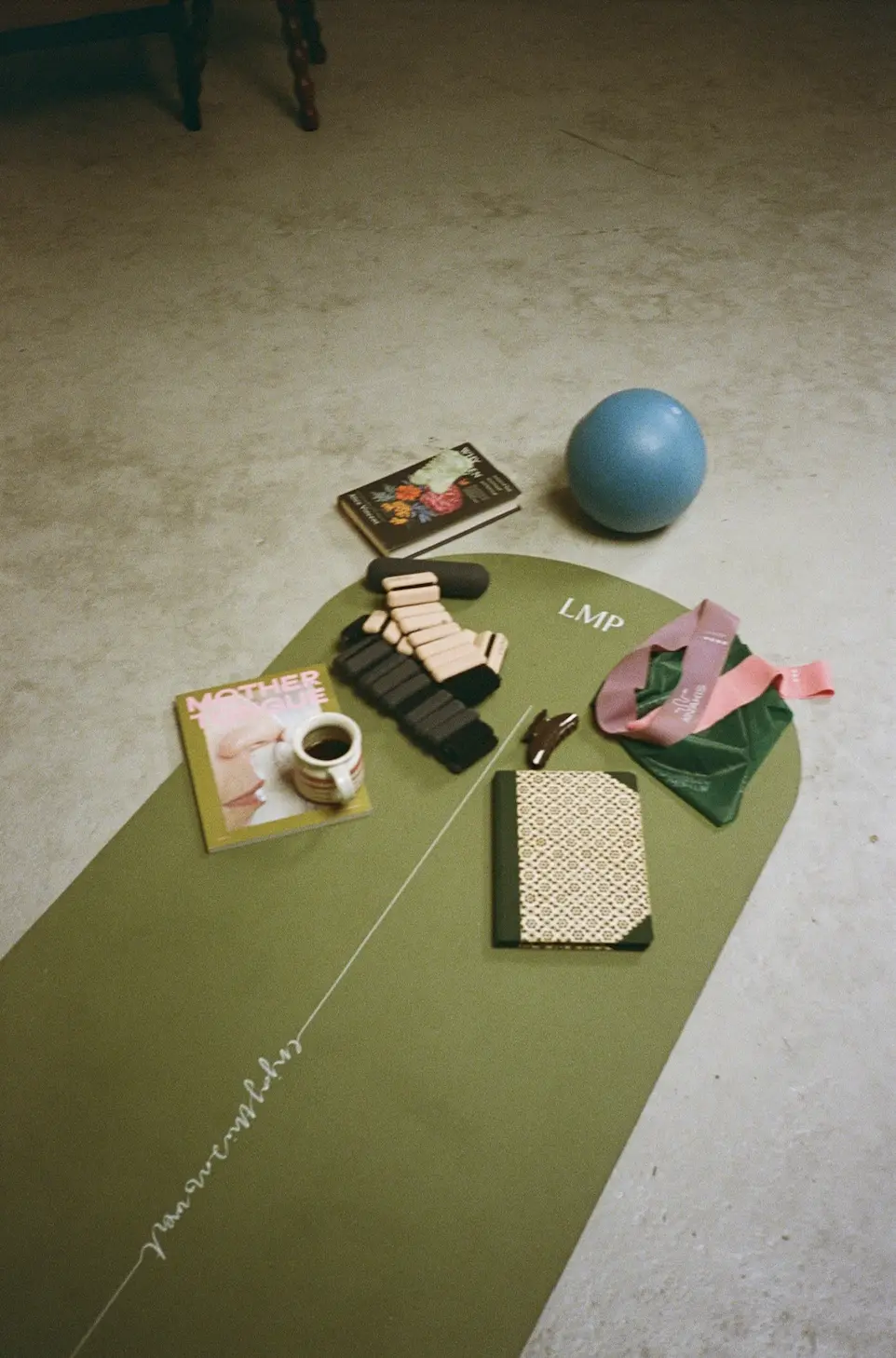
A mat. A yoga or Pilates mat is ideal, mostly for comfort and cushioning because a lot of Pilates exercises can start from kneeling, laying on your back, laying on your side so it's nice to feel supported. If you don't have one yet, a folded blanket or a thick rug works just fine while you're getting started.
Comfortable clothing. Whatever you feel good moving in. Pyjamas is a great option especially for an at home practice. You don't need specialist Pilates kit. Leggings and a top you can breathe in is genuinely all you need. Bare feet or grip socks, both lovely.
Some space. Enough room to stretch your arms out to the side and extend your legs. That's about it. So maybe move the kids toys out the way or the laundry basket to another room so you don't get frustrated.
An open mind.
That's truly it. Pilates at home is one of the most accessible things you can do for yourself, which is one of the reasons I love it so much.
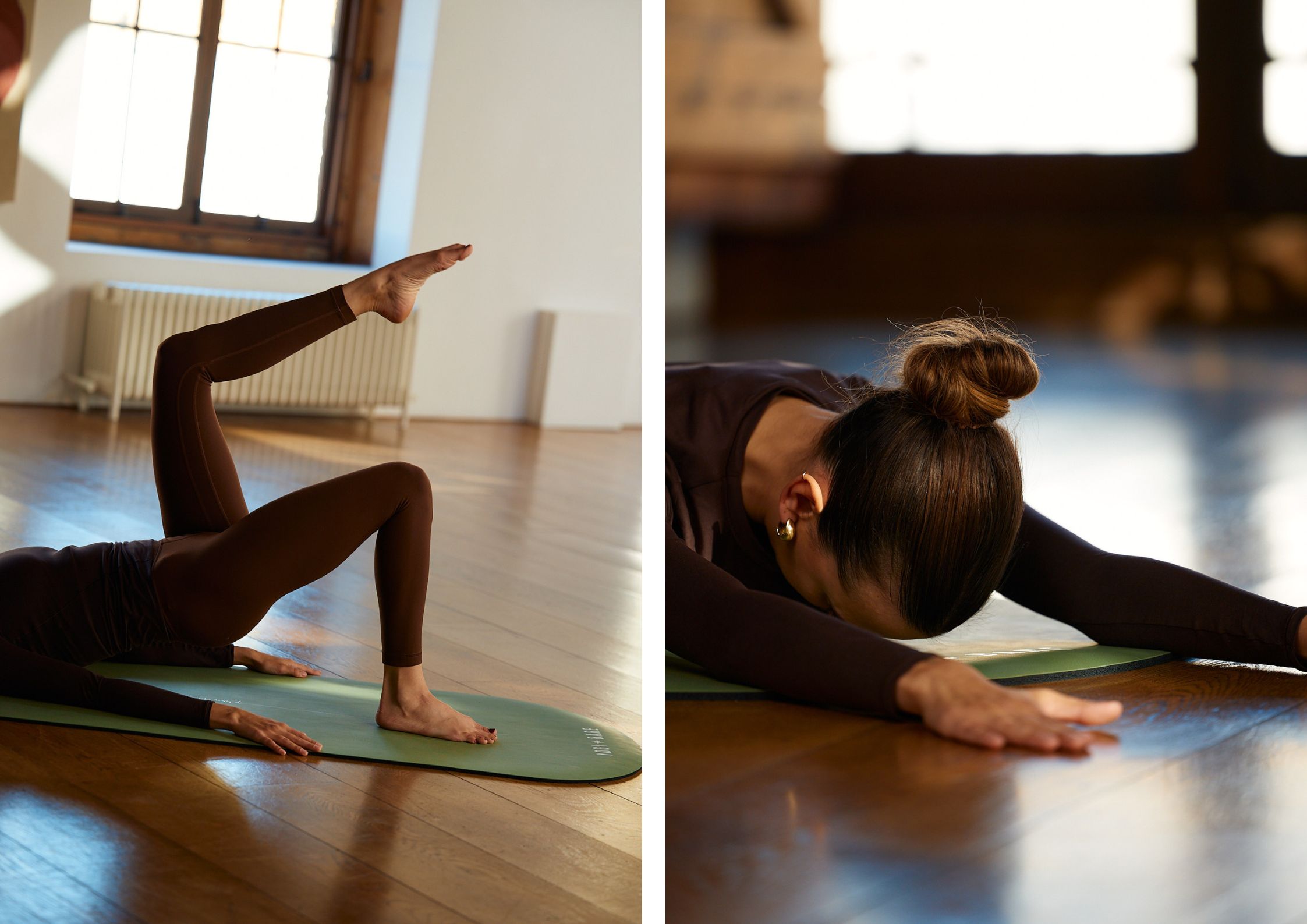
How do you actually begin? The three foundations.
Before you dive into a full class, it helps to understand the three foundations that sit underneath every single Pilates exercise. We call them the ABCs - Alignment, Breathing, and Centring, and they are genuinely the building blocks of everything. I have a workshop style tutorial where I go through them in detail here.
Alignment is about where your body is in space. In Pilates, we start by finding what we call a neutral position, your spine in its natural, gentle S-curve, your pelvis balanced and level, your shoulders soft and open. This isn't about being rigid or perfectly still. It's about creating a really good starting point so that every movement you make from there is working with your body, not against it.
Breathing is something we often underestimate because, well, we do it all day without thinking about it. But in Pilates, the breath can be your guide. It creates rhythm, it facilitates movement, and it helps you release tension you didn't even know you were holding. My only real ask when it comes to breathing is this: keep breathing.
Centring is what most people think of when they hear "core," but it's not about crunching or gripping or holding everything in. It's a gentle, internal lift. Imagine your deep abdominal muscles drawing very softly inward and upward, not a big squeeze, more like a quiet hum of awareness. This is your centre. In Pilates, everything moves from here.
When you understand these three things, even just a little bit, everything else starts to make sense. But also don't get hung up on "getting it" right away. Just move and you'll gradually start to "get it" over time.
How often should a beginner do Pilates?
The honest answer? As often as feels good and realistic for your life right now.
I know that's not the prescriptive answer you might have been hoping for. But I genuinely believe that consistency matters far more than intensity, and that a little movement often is so much better than a marathon session once a month. Even ten minutes on a Tuesday evening when the house is finally quiet counts.
The biggest thing I've learned in over a decade of teaching Pilates is this: the practice that sticks is the one that fits your life.
What to expect in your first few weeks
First of all, let go of expectations which makes this paragraph feel a little silly now but we all have this "idea" of what Pilates is or should feel like. Perhaps you expected it to be boring or too hard or too complicated or too easy. You might not feel like you've "worked out" in the traditional sense.
After a few weeks of consistent practice, most people notice what I can only describe as a shift. Perhaps that's improvements in posture, a feeling of being more connected to their body, and a reduction in tension.
I love how LMP member Lydia put it when she started with LMP: "When I started doing YouTube videos, I had no idea what Pilates was and what it would do for me. Ever since I've decided to do Pilates most mornings I've been happier and my body feels stronger."
Sacha describes it just as beautifully: "I can feel the difference in my mind and also can see the difference in my body. You always work us hard but in a calm and controlled way, meaning that I feel the burn but never feel strained."
Challenged, but safe. That's exactly what good Pilates should feel like.
Ready to start?
If you'd like a really gentle place to begin, I'd love for you to come and join us in the LMP Online Studio. We have a whole library of beginner friendly classes. There's no pressure, no performance, no judgement about what you can or can't do yet. I hope it feels like practising with a friend.
Your first week is completely on us. Come and have a look around, try a few classes, and see how you feel. If it's for you, wonderful. If it's not quite right yet, that's okay, just dip your toe in when you are ready 💛.
See you on the mat.
Love, Lottie x
Written by
Lottie Murphy
Pilates
If you’re here, you probably care about feeling good in your mind and body. That’s our mission. We have online classes where you can press play anytime, wherever you are, however you feel.
No pressure, no perfection, just movement that fits real life. To make it easier for you we give a week to just try it out.